

Ne habozzon üzenetet küldeni
Egy kabát, EPDM gumi bélés Jellemzők • 100% -os nagy kitettségű poliészter kabát, m...
If you have ever opened a hydrant on a cold morning and watched a thin stream of water trickle from the drain port, you have seen a dry barrel hydrant doing its quiet job. The design is simple in principle and stubbornly reliable in practice: keep the barrel empty until water is needed, then fill it fast and drain it completely when the line is shut down.
For fire departments, water utilities, and maintenance crews, the difference between a hydrant that survives winter and one that splits is often in the details: valve placement, drain care, and the hose and couplings connected to it. This guide walks through how a dry barrel hydrant works, where it fits, and what to check before the first freeze.
A dry barrel hydrant is a fire hydrant whose vertical barrel stays empty during normal standby. The main valve sits below the frost line, at the bottom of the barrel, rather than at each outlet. When the operating nut is turned, a stem runs down the barrel and lifts the main valve. Water enters from the supply main, fills the barrel, and flows out through the nozzle outlets.
When the hydrant is closed, the main valve seats and the barrel drains through one or more small drain ports near the valve. That is the key difference from a wet barrel hydrant, which keeps water in the barrel at all times and uses a separate valve at each outlet. Wet barrel designs work well in mild climates. Dry barrel hydrants are the common choice where freezing temperatures can turn standing water into cracked castings and blocked waterways.
It helps to separate the term from a “dry hydrant” used in rural water supply. A dry hydrant in that sense is usually a piping system that drafts from a pond, tank, or other static source. A dry barrel hydrant is a specific style of pressurized fire hydrant with a dry barrel and a buried main valve. The two terms sound similar, but they describe different parts of the water supply picture.
The parts are straightforward. A bonnet protects the operating mechanism, and the operating nut accepts a hydrant wrench. The stem transfers rotation down to the main valve. The barrel is the vertical pipe between the bonnet and the valve. Nozzle outlets and caps sit above ground, and a traffic flange near the ground line allows the upper section to break away if struck by a vehicle without exposing the main valve.
Opening the hydrant is a deliberate sequence. The wrench turns the operating nut counterclockwise. The stem lifts the main valve off its seat. Water fills the barrel and reaches the outlets. Air in the barrel escapes through the open nozzle or a bleed valve before the hose is charged. When the hydrant is closed, the main valve returns to its seat, and the drain ports open to let the barrel empty. The drain water usually flows into a gravel bed or drainage field around the hydrant shoe.
That automatic drain is the feature that earns the design its place in cold climates. But it only works if the drain path is clear. A clogged drain port, a high water table, or a poorly drained installation can leave water in the barrel after the valve is closed. When that water freezes, it can crack the barrel or damage the valve assembly. Maintenance crews often check drain performance during fall inspections, before the first hard freeze.
| Feature | Dry Barrel Hydrant | Wet Barrel Hydrant |
|---|---|---|
| Main valve location | Below the frost line, at the bottom of the barrel | At each nozzle outlet |
| Barrel condition at standby | Empty | Full of pressurized water |
| Freeze protection | Automatic drain after shutdown | Not suitable for freezing conditions |
| Typical climate | Cold winter regions | Mild, above-freezing climates |
| Maintenance focus | Drain ports, valve seat, stem, frost depth | Outlet valves, seals, barrel pressure |
Dry barrel hydrants are only as good as their installation. The main valve must sit below the local frost line, and the barrel must be long enough to place the operating nut at a comfortable height above grade. The drain field should be sized and placed so water can move away from the hydrant shoe instead of pooling around it. In some soils, a small gravel pocket is enough. In tight clay or high-water-table sites, the designer may need a more deliberate drainage solution.
Depth is not a guess. Local frost penetration, pavement thickness, and the height of the supply main all influence barrel length. A hydrant set too shallow may hold water above the frost line even when the drain is working. A hydrant set too deep can be awkward to operate and may need a longer stem. Installation crews also pay attention to thrust blocking, backfill, and alignment so the barrel stays true and the drain remains clear.
A hydrant is only the start of the water path. The outlet size and thread standard determine which couplings and hose a crew can use. Dry barrel hydrants may be fitted with national standard threads, Storz connections, or other local standards. Matching the coupling to the hydrant outlet is not a detail to leave to the pump operator. Cross-threading, mismatched lugs, or a worn gasket can turn a quick connection into a leaky one.
For a 2½-inch attack line, a single-jacket hose with an EPDM rubber liner gives a practical balance of flexibility, abrasion resistance, and pressure performance. It handles well on a hydrant outlet and remains manageable when charged.
Large-diameter hydrant outlets often pair with Storz connections because the symmetrical coupling engages quickly and does not require a particular thread alignment. A self-locking Storz coupling can speed up connection while keeping the joint secure under pressure.
Nozzle choice follows the line size and the task. A combination nozzle gives a crew both a straight stream and a fog pattern, while a smooth bore nozzle can deliver a solid stream with low friction loss. The important point is that the hydrant, hose, coupling, and nozzle work as one system. A restriction anywhere in that chain shows up at the tip.
 STORZ Hose Nozzles in 1.5–3 Inch InletsFour inlet sizes with aluminum alloy, hard plastic, and brass fittings help complete a hydrant hose system for firefighting and industrial supply.View Product →
Hose coupling performance is especially important on hydrant lines because the connection is made and broken repeatedly. A clean gasket, properly seated lugs, and compatible threads prevent the small leaks that waste water and undermine pressure. For a closer look at how sealing surfaces hold up over time, see how hose coupling sealing performance supports long-term operation.
Most dry barrel hydrant problems are found before they become failures. A simple seasonal routine goes a long way.
In cold regions, the fall inspection is the one that matters most. Drain the barrel, verify the valve seat, and make sure the drain port is not plugged by rust, scale, or root intrusion. If the hydrant has been hit or the barrel has shifted, have the alignment checked before the first freeze. A dry barrel hydrant that cannot drain is no longer a cold-weather hydrant; it is a wet barrel hydrant with a hidden problem.
The dry barrel hydrant is not complicated, but it rewards careful installation and regular attention. The buried main valve, the drain ports, and the frost-depth setting all work together. When they are right, the hydrant delivers water on demand and goes back to being empty and ready for the next freeze.
From our side of the water path, we build hoses, couplings, and nozzles that are meant to work with real hydrants in real conditions. If you are specifying a hydrant connection or refreshing hose stock for winter, we are happy to talk through the outlet size, thread standard, and hose layout that fit your system. The goal is not a complicated setup; it is a connection that opens cleanly, flows reliably, and drains without surprises.
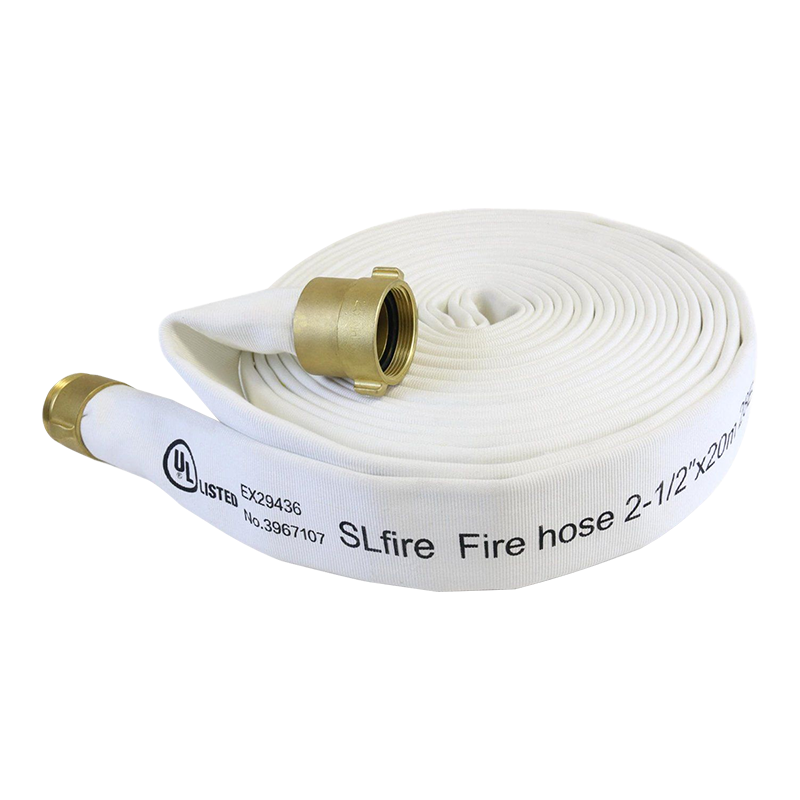
Egy kabát, EPDM gumi bélés Jellemzők • 100% -os nagy kitettségű poliészter kabát, m...
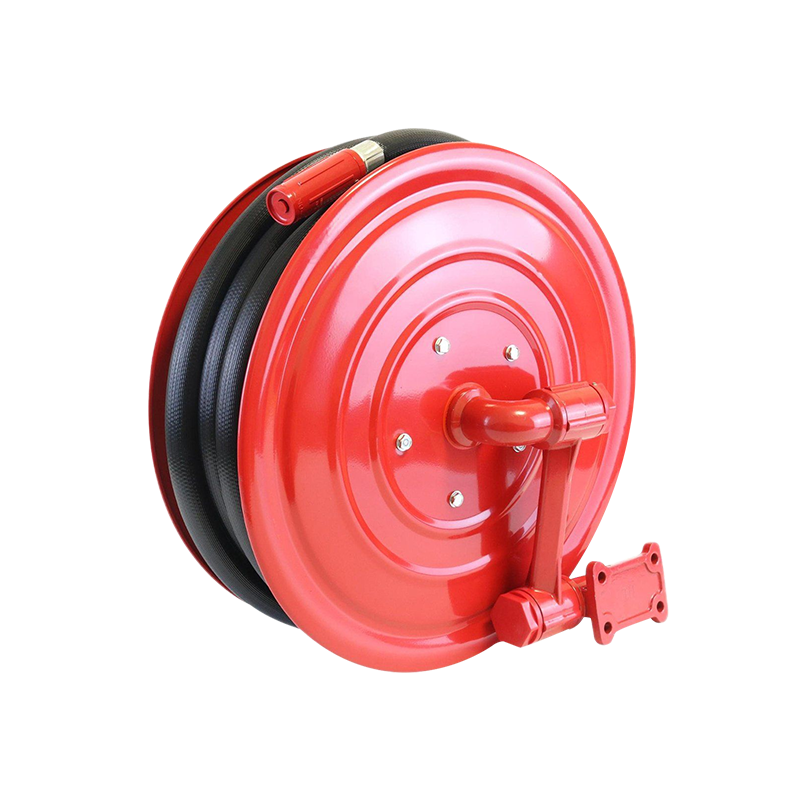
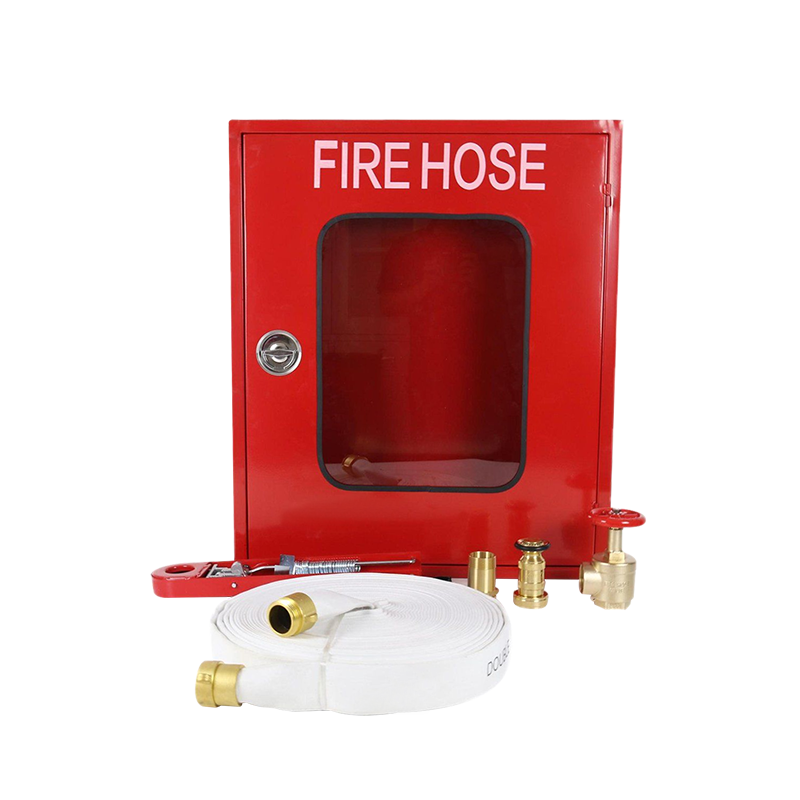
A tűzoltószekrényeket úgy tervezték, hogy befogadják a tűzoltó tömlőt, a szelepet és más tűzoltó ...
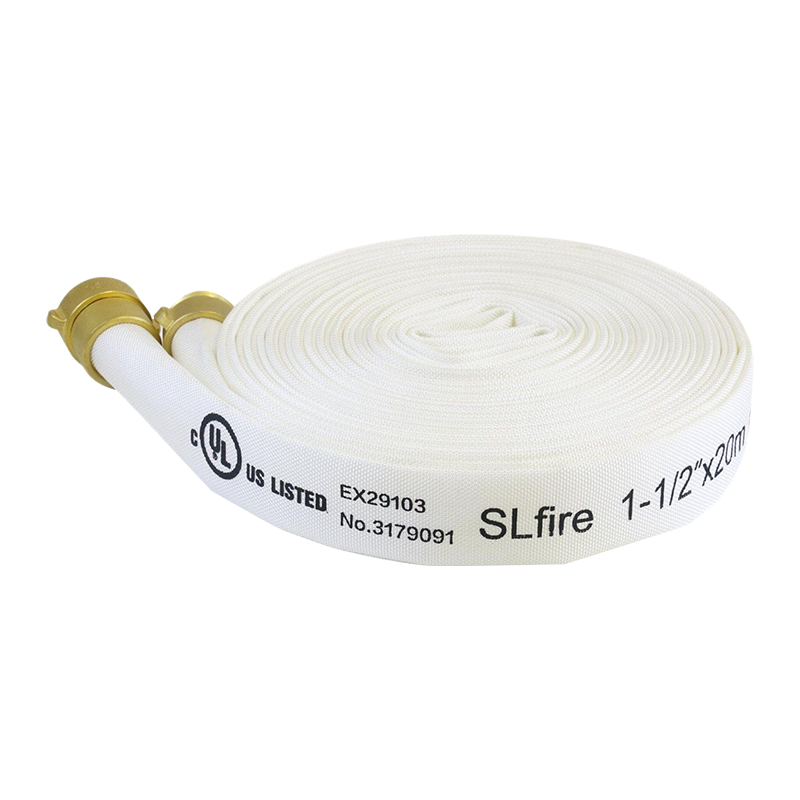
Egy kabát, tpu bélés • Magas fenekű poliészter fonal, kör alakú szövésű szövés/sima szövés...
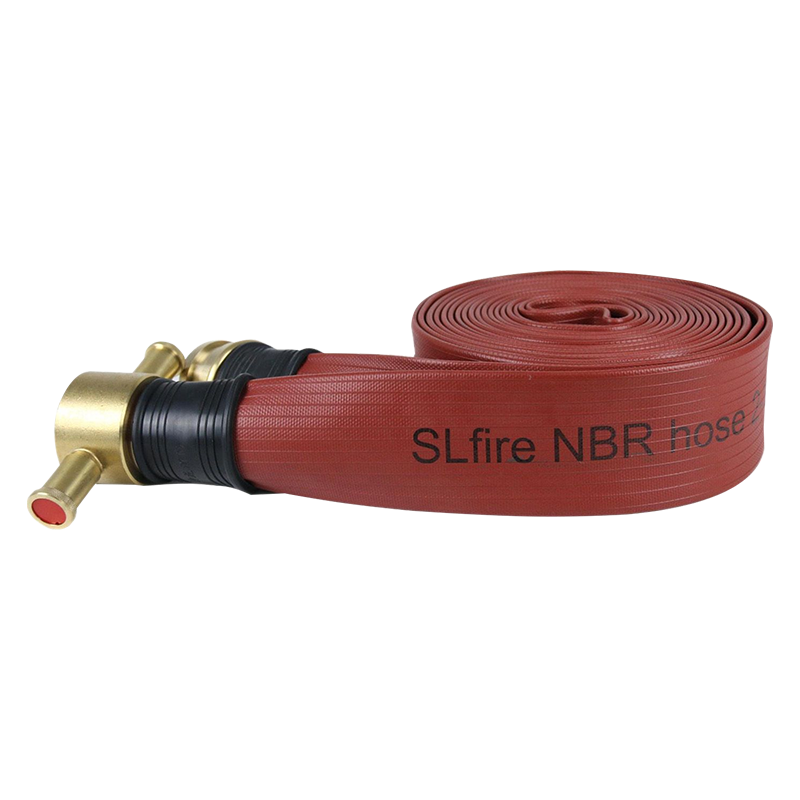
Nitril borított tömlő • A nitril/TPR keverék burkolatként és bélésként, 100% -os nagy menn...
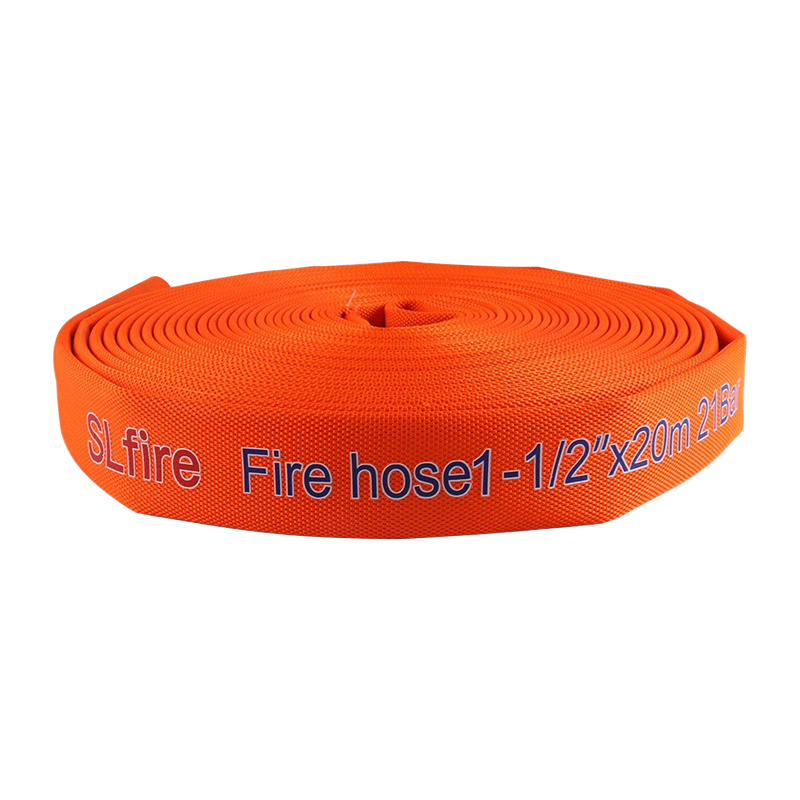
Egy kabát, tpu bélés • Magas fenekű poliészter fonal, kör alakú szövésű szövésben , TPU bé...
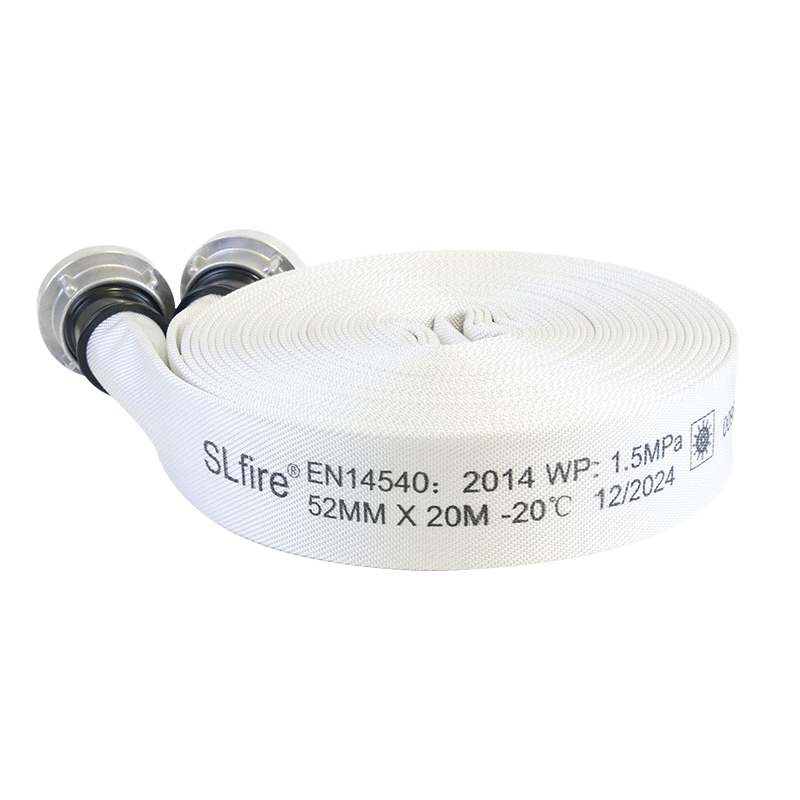
Tengeri tömlő Egy kabát, PVC bélés • 100% magas kitettségű poliészter fonal, kör al...
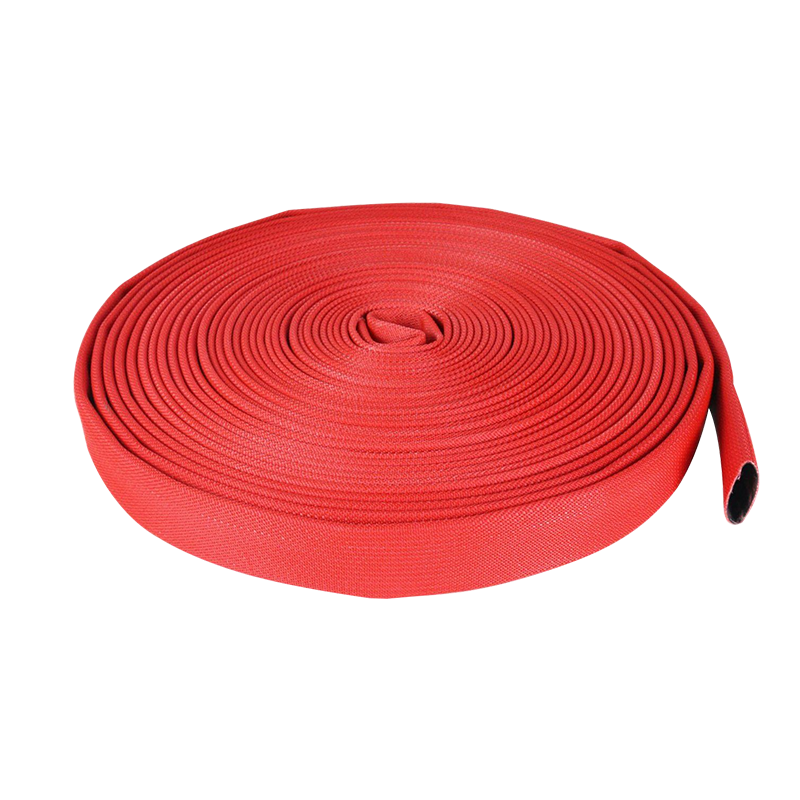
Tengeri tömlő Egy kabát, PVC bélés, PU bevonat • 100% -os magas kitettségű poliészt...
 Hívjon minket
+86 159-5116-9511
Támogatásra van szüksége
Székhely
No.58, Kechuang Road, Sixiang Street Medicine Gaoxin District Taizhou város, Jiangsu tartomány

If you have ever opened a hydrant on a cold morning and watched a thin stream of water trickle from the drain port, you have seen a dry barrel hydrant doing its quiet job. The design is simple in pri...
Copyright © Taizhou Shenlong Fire Science and Technology Co., Ltd. All Rights Reserved.
 Tűzoltó tömlőgyártók, tűzcsapot tömlőgyár